x

Earth Science: Why do Rivers have Deltas Video

This is an excellent video, by MinuteEarth, to show your Earth Science students how deltas from due to river deposition.  It discusses how the river at its mouth will either create a delta or erode more of the land.  The science video will talk about how during ice ages, ocean levels drop and rivers then cut deeper into the land.  During part of the video, there is a quick discussion about how civilizations formed around the fertile land of deltas.

Earthquake Liquefaction

In this video, students will witness the destructive power of an earthquake and learn about a fascinating phenomenon called liquefaction. This video was captured during the 2011 earthquake in Japan and shows how the earth shifts and grinds the dirt, squeezing the water out and causing the ground to become like quicksand. By watching this video, students will gain a better understanding of the impact earthquakes can have on the environment and how they can cause changes in the ground structure.

Complete Earth Science Website

EarthScience.xyz is a website that teaches earth science to students.  It is a step-by-step book containing all the information needed to learn about the Earth.  Teachers can have access to all the labs and assignments that are taught at Snowflake High School.  There are tons of high-quality graphics, animation, and videos that will make presenting geology, meteorology, oceanography, paleontology, and astronomy to students engaging and fun.

Current USGS Significant Worldwide Earthquake Investigation

In this Earth Science Earthquake activity, students will explore the USGS current earthquake website. Students will understand what is to be found on the USGS Earthquake website. They will discover how many earthquakes have occurred recently. Students will gain an understanding of what the Mercalli Intensity Scale is used for. Students will discover the 5 largest recent earthquakes that have occurred around the world. They will gain a better understanding of geography as well by using maps and map scales to determine distances from an earthquake epicenter.

Cave Formations and Information Investigation Activity

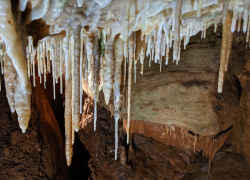
In this assignment students will find images of the most common formations found in caves: helictites, stalactites, stalagmites, flowstone, cave popcorn, soda straws, draperies, cave bacon, columns, and boxwork They will be assigned a specific cave from a list of 18 and answer 8 out of many questions about the cave. Students get to choose the open-ended questions from a list or create their own questions. This assignment is designed to generate interest in visiting the many caves throughout the world. Many of the caves in the list are found right here in the United States.

The Structure of Earth Video

In this informative Earth Science video, viewers will learn about the layers of the Earth and how scientists have come to know about them. From the formation of the solar system to the elements that make up the Earth, this video covers a range of scientific concepts such as the atmosphere, convection currents, earthquakes, and density. By the end of the video, viewers will have a greater understanding of the different layers of the Earth and how they work together to create our planet.

Fossil Hunting Video

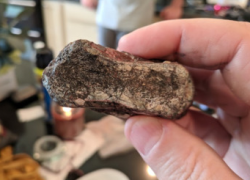
Enhance your fossil unit with this concise and engaging video that explores the intriguing process of fossil extraction from rock. Witness the meticulous steps involved in cleaning, molding, and ultimately presenting these extraordinary relics to the public. Immerse your students in the captivating world of fossils as they discover the fascinating journey from excavation to exhibition.

Geologic Time Scale Precambrian to Cenozoic

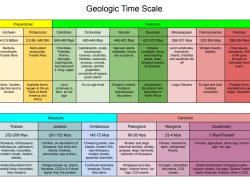
Enhance your knowledge with our geologic time scale, spanning from the ancient Precambrian era, nearly 4 billion years ago, to the vibrant Cenozoic period, which continues to shape the present day. Immerse yourself in a visually captivating timeline, intricately color-coded and enriched with invaluable insights into the diverse array of fascinating prehistoric creatures that once roamed the Earth. Discover the evolution of awe-inspiring land formations across these epochs, unlocking a deeper understanding of our planet's remarkable history.


Subscribe to Geology