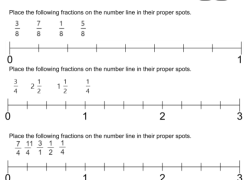
Students will practice locating and representing proper, improper, and mixed fractions on number lines. They will deepen conceptual understanding and apply skills to create their own number line models.
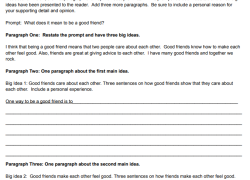
Students develop their essay writing skills by expanding an initial paragraph. They will craft stronger arguments, integrating personal examples to support their opinions about friendship.
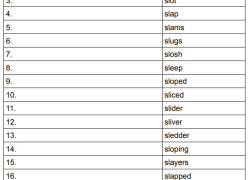
Help students master 'sl' blend spellings with this interactive test. They will self-correct their answers, then practice missed words three times for improved retention. Fully editable.
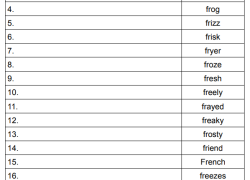
Challenge students with an 'fr' phonics blend spelling test. They will self-correct their work, then reinforce learning by practicing any words they spelled incorrectly.
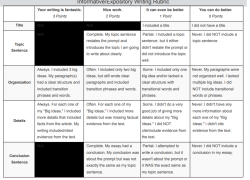
Guide students to master informative and expository writing. They will learn expectations for topic sentences, organization, details, conclusions, conventions, and word choice.
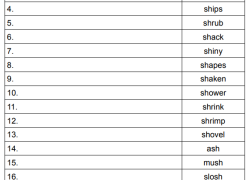
Assess students' spelling of the sh digraph with this adaptable test. Students self-grade, correct errors, and solidify their phonics knowledge and writing skills through practice.
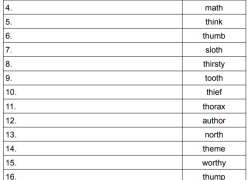
Students demonstrate their grasp of 'th' digraph spelling patterns. They self-correct mistakes, then practice misspelled words three times, solidifying their understanding of phonics.
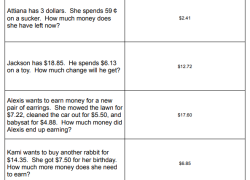
Students will collaboratively solve a series of engaging money word problems. This competitive relay develops problem-solving, teamwork, and practical financial literacy skills in a fun way.
Students will learn and apply the 'o' consonant 'e' phonics rule while completing a cloze story. They fill 17 blanks using a word bank, enhancing their decoding skills.
Students will compare and contrast fascinating animals like frogs, sharks, and lions through engaging texts. Boost their reading comprehension and critical thinking with insightful questions.