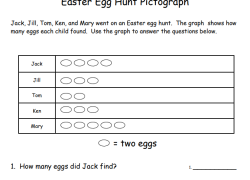
Engage students with an Easter-themed activity where they read and interpret a pictograph. They will answer six questions, showcasing their data analysis and comprehension skills effectively.
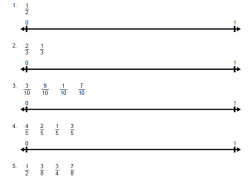
Empower your 3rd graders! Students will practice and master placing fractions precisely on a number line, building crucial conceptual understanding and confidence with fractions.
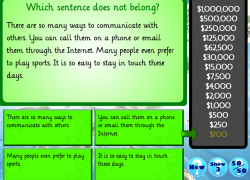
Engage students with a thrilling game where they identify main ideas and supporting details in reading passages. Practice comprehension skills and critical thinking while aiming for a million points!
Introduce younger students to soil science with a charming song and video. Students will actively learn fundamental earth concepts through this memorable, musical lesson.
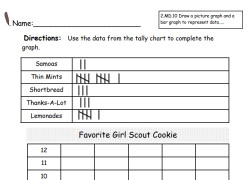
Engage students in reading and understanding tally marks. They will apply their knowledge to analyze data from a chart, building foundational skills in data interpretation.
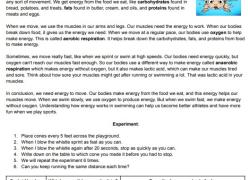
Engage students in understanding how bodies use energy to move. They'll learn about nutrients and muscle function through a reading and a hands-on sprinting experiment.
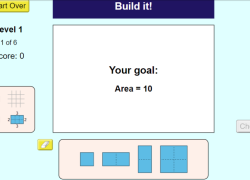
Students actively explore area and perimeter with a Phet simulation, building shapes to meet criteria. They advance through math challenges and a game, including fractions.
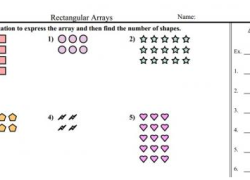
Students will count rows and columns in arrays to build multiplication understanding. They then multiply to solve problems and write the corresponding equations.
Teachers, enjoy this funny song about desiring a snow day. Inspire students to write about winter weather, discuss seasonal changes, or compose their own celebration song.
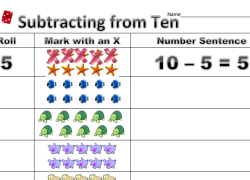
Students practice subtracting from ten by rolling a die to remove animals. They then write number sentences explaining the resulting amount, building foundational math skills.
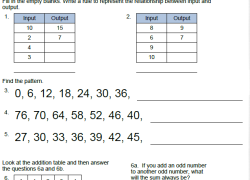
Help students practice identifying various patterns. They will explore skip counting, multiplication tables, and input-output relationships to strengthen their mathematical reasoning skills.
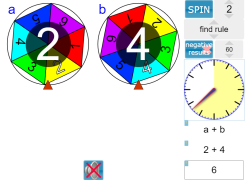
Empower students with dynamic spinners to explore probability, practice multi-step operations, and discover mathematical patterns. They will master value substitution.