Unlock Premium Teacher Access
🔓 Unlock Premium Teacher Access
Everything you need. One simple yearly plan.
Upgrade to Premium and get full access to all current and future content—designed to save you time, boost engagement, and support real classrooms.
✅ What’s included with Premium
-
Unlimited access to all content on the site
-
Exclusive teacher tools to plan, practice, and assess faster
-
Future Teachers Pay Teachers resources included
(All my current and upcoming TPT products will be added at no extra cost) -
New content added regularly—your subscription grows in value over time
💲 Simple, affordable pricing
$20 per year
Less than $2 a month for tools you can use all year long.
🎯 Who Premium is for
-
Classroom teachers who want ready-to-use resources
-
Teachers who like games, tools, and engagement
-
Anyone tired of buying the same types of resources over and over
Upgrade to Premium
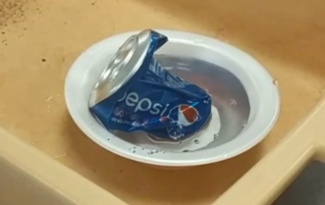
In this Earth Science lab, students will crush a soda can using atmospheric pressure. This is a common science experiment with a twist. In this version, students will calculate the total air pressure found on the outside of the can. The kids will take the surface area formula of a cylinder and find out about how many pounds of air is sitting on top of and around the can. This lab also attempts to incorporate math into a science class.
Students will learn what psia (pounds per square inch actual) is for their elevation. This reinforces the idea that there is less air pressure the higher up you go in the atmosphere. Students will then heat up a tin can and watch it implode. It is amazing how many students have never seen this experiment.
Here is a youtube link showing the imploding cans up close and in slow motion.
After the experiment is over, students will answer questions based on their own observations as they discover why the experiment worked the way it did.
This product is in a Google Doc so you will be able to modify questions or instructions as you see fit, that meet the needs of your students.
For more Earth Science experiments, labs, and content visit EarthScience.xyz