Reteach Line Plots and Quarter Inch Measurements
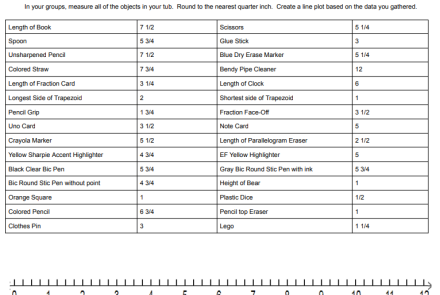
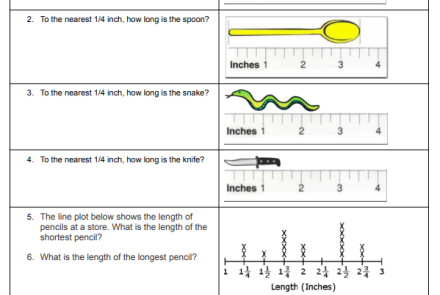
Students will practice measuring objects to the nearest quarter inch. They will also analyze line plots. This is designed to reteach the concept for those students who are struggling.
When my 3rd-grade students are learning to read measurements to the quarter inch, I use this game. Most kids get really into it. As students get the measurement correct, the timer goes faster and faster. You can change the settings to display rulers that measure just the inch, half inch, quarter inch, sixteenth inch, thirty-two seconds of an inch, and even sixty-four seconds of an inch.
Introducing our customizable and interactive hands-on math lab activity: "Measure Up Math Lab!" This is designed for students to explore the measuring to the nearest 1/4 inch in a fun and tailored way.
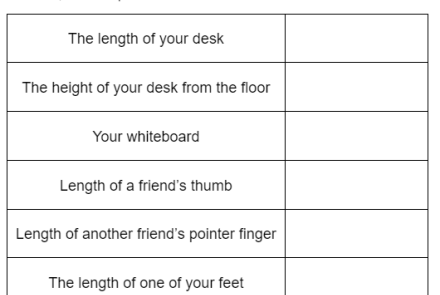
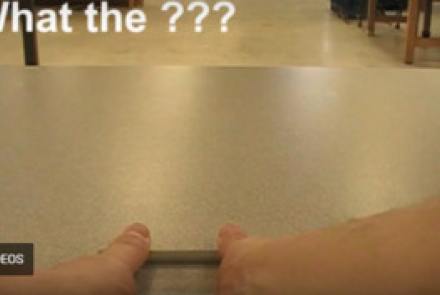
In "Measure Up Math Lab," students will use a ruler to measure common classroom items and their neighbor's finger and thumb. This lab apart is customizable because it's made in Google Docs, allowing teachers to easily customize the activity by adding their own items to be measured. This flexibility ensures that the lab aligns perfectly with the unique needs of each classroom.
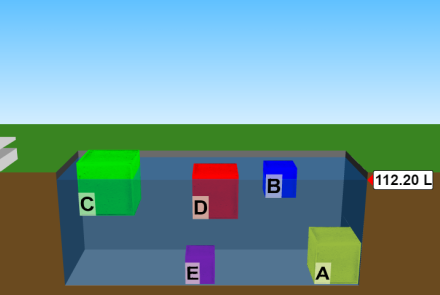
In this science lab, students will gain a pretty good understanding of what mass, volume, and density are. They will digitally change the volume of objects, weigh different object masses, and calculate the densities of each object. Students will use the computer and the Phet Simulation software to complete this lab.
This science lab can be used in any of the science disciplines because it is going to help students learn how to read a meter tape. Students will learn what the Magnus Effect is and how to demonstrate the Magnus Effect by "flying" a hollowed-out "Bic" pen across the classroom. Students will also learn how to create a spreadsheet and then add a formula that will automatically calculate the average of their pen flight distances. I use this lab at the beginning of the year to get students excited about science as well.
This video discusses and demonstrates how levers are used to reduce the amount of work and energy required to lift something. This would be great to show your students during a lesson on levers in your physics classroom. Archimedes's work and experiments are discussed as well.
In this math video students will learn how the metric system came about and why scientists like using it. This Bill Nye video introduces the measurements of length to students.
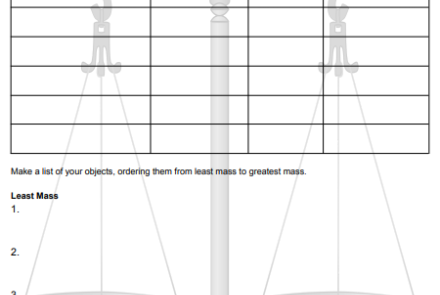
In this worksheet, students will take everyday objects from the classroom and use balance scales to find the mass. The students will first describe the object and then estimate the mass. They will then weigh the object and write down that actual mass. Finally, they will find the difference between the actual mass and the estimated mass. Once students are finished they will sort the mass from lightest to heaviest. The main purpose of this assignment is to have students make estimates and then use actual scales to find the mass.