x

States of Matter Video: What does it really mean to be a solid, liquid or gas?

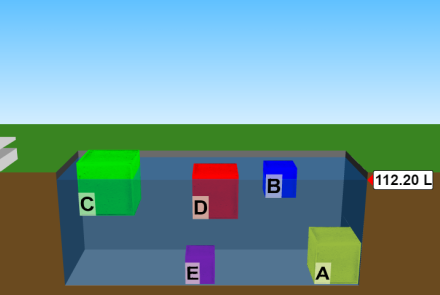
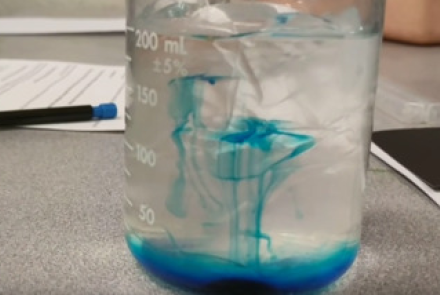
In this science video, Veritasium does a fantastic job interviewing the public to see if they know what it actually means to be a solid, liquid or a gas.  It is fun to watch people try to remember from their schooling what the scientific answer is.  This would be a great video to show when introducing 3 of the 4 states of matter to your chemistry or physical science students.
How small is an atom? Video

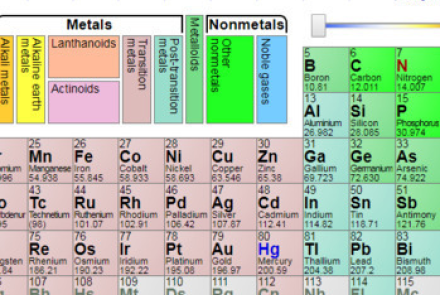
This video does an excellent job explaining the answer to the question, "How small is an atom?  It compares an atom to the size of a grapefruit and a blueberry.  It is amazing to visualize just how small atoms really are.
 If you happen to be teaching about atomic structure, this might help your students understand this particular scientific concept.

Earth Science: What's in that Mineral? Activity

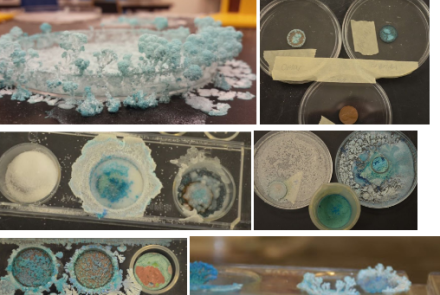
This Google search activity allows students to go to the internet to search for specific minerals and then to use the Periodic Table to discover what elements the mineral is made out of. This activity usually takes a full 50 minutes for the students to find all of the answers. Students will investigate 12 different minerals and which elements that make up each mineral. They will look at a periodic table and decide whether the elements are metals or nonmetals. Students will also search the internet and find out some industrial uses for each mineral.

Copper Penny Oxidation Lab

In this lab students design and experiment that will oxidize a penny. The purpose of this lab besides demonstrating chemical weathering is to assess how well students are understanding the scientific method as well as their ability to think outside the box by taking content knowledge and applying it in a lab situation. I stand back from this lab to see how well students perform. Students will observe their pennies each day until their pennies are dry or for 3 or more days, depending on how they set up their design.

Science Experiment Demonstrating the Scientific Method

At the beginning of science courses, usually, the scientific method is taught. My high school students have to demonstrate their knowledge of the scientific processes and especially show an understanding of data collection, variables, and conclusions. This document contains the rubric I use to grade their assignment as well as the student instructions that I give. This is in a Google doc so that you can edit the instructions or manipulate the rubric.

Subscribe to Chemistry