Dead stuff, part of the food web. Video
This video details the "brown food chain," explaining how rotting detritus such as pond scum and animal poop contribute enormous amounts of energy to our ecosystems.
Discover the truth behind common misconceptions about dinosaurs in this video. Uncover fascinating insights as we delve into the world of creatures often mistaken for dinosaurs, shedding light on their true classification. Gain a deeper understanding of how dinosaurs are scientifically categorized, debunking myths and clarifying misconceptions. Join us on this captivating journey to unravel the secrets of dinosaur classification.
At the beginning of science courses, usually, the scientific method is taught. My high school students have to demonstrate their knowledge of the scientific processes and especially show an understanding of data collection, variables, and conclusions. This document contains the rubric I use to grade their assignment as well as the student instructions that I give. This is in a Google doc so that you can edit the instructions or manipulate the rubric.
This is a cute song about soil that can be used as an introduction to soil for younger students.
Engage your students with this interactive and informative lab. Designed for elementary students, this lab explores the topic of how our bodies use energy to move. Perfect for science lessons, this resource will help students understand the connection between energy and physical activity. It is written at the 3rd-grade reading level.
This "It's OK to be Smart" video discusses the human nose and its awesome ability to sense smells. Please note that this video does talk about human sperm so you need to judge your students' maturity level. Nerves, olfactory receptors, eyes, and ears are also discussed in the video.
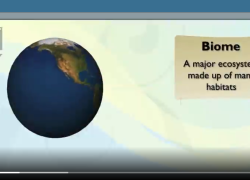
In this Study Jam video, students will get a better understanding of biomes. Vocabulary that is discussed is biome, ecosystem, habitat, climate, and precipitation. A discussion of each of the biomes is also shown.
With this video you can easily start off a class on genetics or reproduction. Simply propose the age old question, "Which came first, the chicken or the egg? Discuss this a little bit with your class and see what they have to say. How much to they understand the theory of evolution and natural selection? Then watch the video as an excellent explanation unfolds.