Students discover how cells acquire molecules using active and passive transport mechanisms. The video explains osmosis, diffusion, endocytosis, and related terms, illustrating vital cellular processes.
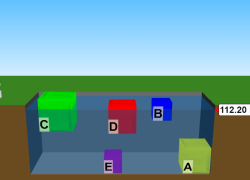
Students will understand mass, volume, and density concepts. They will digitally manipulate object volumes, measure masses, and calculate densities using an interactive simulation.
Students discover the Magnus Effect by flying pens across the classroom. They will practice measuring distances using the metric system and analyze data with spreadsheets.
Students discover symbiotic relationships: mutualism, commensalism, and parasitism. They analyze organism interactions and specifically examine the unique bond between the clownfish and sea anemone.
Students will analyze the mathematical principles behind levers, discovering how they reduce effort. They'll also explore Archimedes's foundational work and experiments in physics.
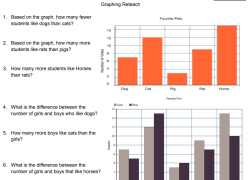
Students will practice interpreting bar graphs and pictographs by answering 12 questions. They focus on finding "how many more," "how fewer," and "difference.
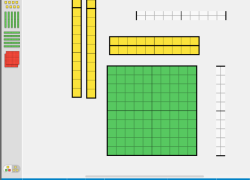
Students will build number sense and place value skills creating custom base ten block representations. Generate varied visuals to support focused learning and exploration.
Engage students in fraction practice using their own names! They will count letters, identify vowels/consonants, and form fractions, subtly building confidence and math skills.
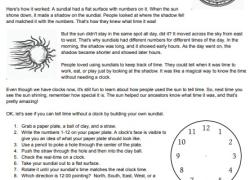
Students will explore ancient timekeeping methods. They'll read about sundials, build their own, and observe shadows to tell time. Critical thinking questions deepen understanding.
Students will learn about the specific physical damages and mental repercussions humans face after being struck by lightning, understanding its profound impact.