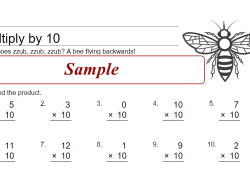
Students will build multiplication fact fluency 2-12 using timed tests, aiming for speed and accuracy. Engaging daily practice includes fun facts, jokes, and pictures to trace or color.
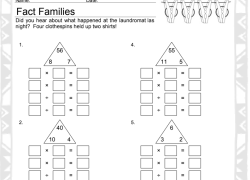
Students practice 6 multiplication and division fact family triangles. They also solve 4 single-step word problems, building fluency and essential problem-solving skills for 3rd graders.
Students partner up to roll dice, create multiplication and division equations, and complete fact family triangles. They practice essential 3rd grade math skills in a fun, competitive game.
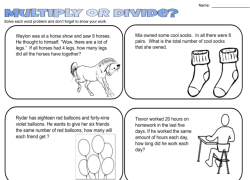
Students will practice solving 8 multiplication and division word problems. They'll apply math skills, show work, and strengthen problem-solving abilities in real-world contexts.
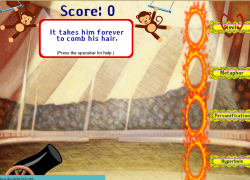
3rd graders identify similes, metaphors, personification, and hyperbole through an engaging, fiery game. Students will categorize sentences to master figurative language skills.
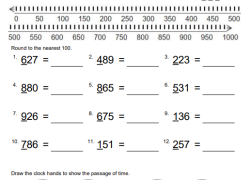
Help 3rd graders master rounding to the nearest hundred, supported by visual number lines. Students will also sharpen their skills with two elapsed time review questions.
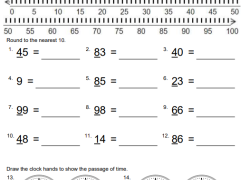
Students practice 3rd-grade rounding to the nearest ten with number line support. They will also solve two elapsed time problems to strengthen math skills.
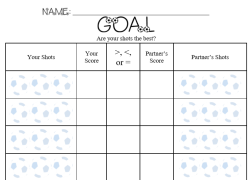
Engage students in an interactive game practicing addition and number comparison skills. They will improve their greater than, less than, and equal to fluency through dice rolls and competitive scoring.
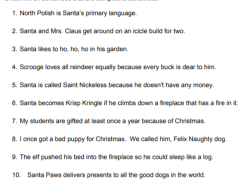
Engage students with a festive grammar review! They will identify nouns, verbs, pronouns, adverbs, and adjectives in Christmas-themed puns using different colors.
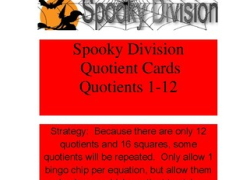
Students master division facts by matching quotients to equations or vice-versa. This festive Halloween bingo game engages learners with spooky math practice, perfect for skill-building.
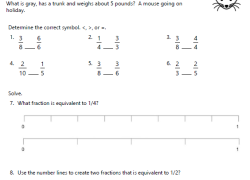
Students will practice comparing 3rd-grade fractions using symbols and number lines. They will also identify and shade equivalent fractions on various visual models, including charts. Excellent for review.
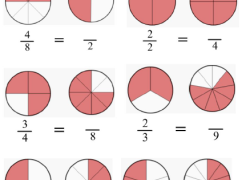
Help 3rd graders master equivalent fractions using visual pie and bar models. Students will identify equivalents and create their own examples, building conceptual understanding.