The Shapes Song Video
This video sings about squares, circles, and triangles and counts their sides.
This video sings about squares, circles, and triangles and counts their sides.
This video details the "brown food chain," explaining how rotting detritus such as pond scum and animal poop contribute enormous amounts of energy to our ecosystems.
Discover the truth behind common misconceptions about dinosaurs in this video. Uncover fascinating insights as we delve into the world of creatures often mistaken for dinosaurs, shedding light on their true classification. Gain a deeper understanding of how dinosaurs are scientifically categorized, debunking myths and clarifying misconceptions. Join us on this captivating journey to unravel the secrets of dinosaur classification.
This is an animated video that describes how the Declaration of Independence came about.
Summary of the Video:
The Declaration of Independence was adopted by the Continental Congress on July 4, 1776, two days after the resolution of independence was approved on July 2, 1776. Despite the adoption date, Americans celebrate July 4 as the nation’s birthday.
This is a cute song about soil that can be used as an introduction to soil for younger students.
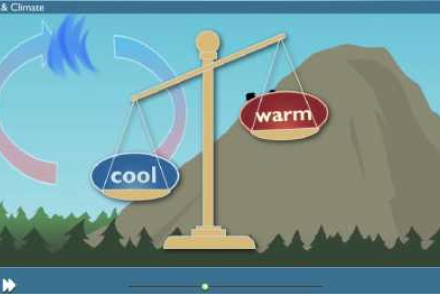
This Study Jam video does a great job demonstrating the differences between weather and climate. It discusses how temperature and air pressure can change due to a change in elevation.
This video can also be used during reading units dealing with compare and contrast.
This "It's OK to be Smart" video discusses the human nose and its awesome ability to sense smells. Please note that this video does talk about human sperm so you need to judge your students' maturity level. Nerves, olfactory receptors, eyes, and ears are also discussed in the video.
This is a great video to help introduce the idea of bartering, trade, and money in economics.
This video is a fun rap about the organization and powers declared in the Constitution.
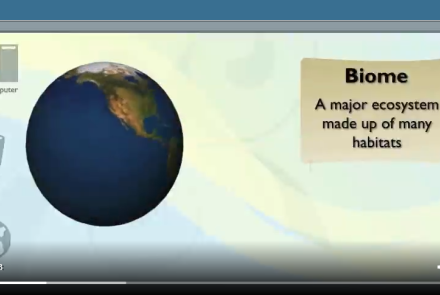
In this Study Jam video, students will get a better understanding of biomes. Vocabulary that is discussed is biome, ecosystem, habitat, climate, and precipitation. A discussion of each of the biomes is also shown.