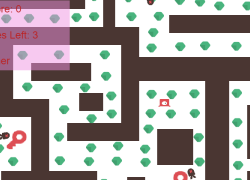
Students identify 3rd grade personification, idioms, metaphors, similes, and alliteration. They practice figurative language skills by dodging tarpons and collecting keys within a fun game challenge.
Young students will master telling time. They'll learn time to the hour and half-hour, with an introduction to quarter-hours, building foundational clock skills.
Students will grasp foundational concepts for reading analog and digital clocks. They will review and reinforce skills necessary for accurately telling the time.
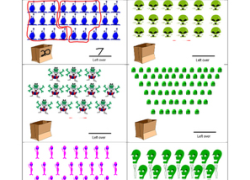
Students reinforce place value by grouping aliens into tens and noting leftovers. They will grasp whole numbers represented by symbols and amounts of tens and ones.
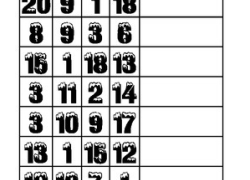
Students will develop number sense by ordering seven sets of four numbers, 1-20, from least to greatest. An optional timer space supports fluency checks.
Students will watch and sing along to learn about fractions. This engaging video introduces numerators and denominators, helping them grasp essential concepts memorably.
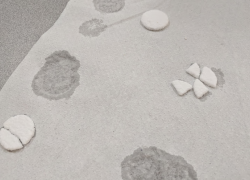
Engage students to design an experiment investigating how surface area impacts physical weathering. They use Alka-Seltzer to model rocks, developing hypotheses and drawing conclusions on weathering rates.
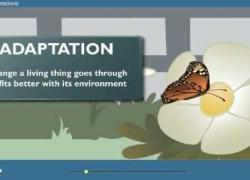
Students will explore animal adaptations and how they protect species. They will learn about natural selection, inherited behaviors, and fascinating examples like migration and hibernation.
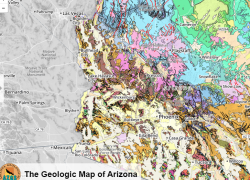
Students will analyze geologic maps to determine rock types, faults, and ages. They learn about Arizona's ancient environments and review essential Earth Science terms.
Engage primary students with an interactive song video to explore prefixes and suffixes. Learners will actively build foundational vocabulary and word analysis skills through music.