x

Eye Color: The Magic of Genetics Reading Passage and Graphing Worksheet

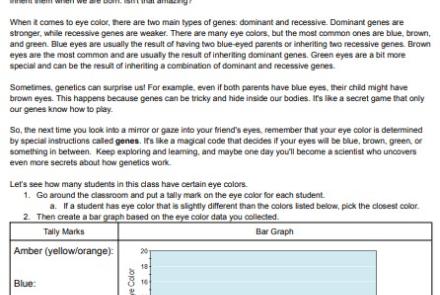
This is a worksheet and practice in collecting data and representing it in bar graph form, and is designed to help students understand the fascinating role of genetics in determining eye color.

In this activity, students will explore the concept of genetics as a special code that influences our physical appearance, including eye color. They will learn that genes act as tiny instructions within our bodies, inherited from our parents at birth. This hands-on activity and reading passage will help students discover the magic behind eye color inheritance.

Transferring Heat Energy through Conduction Worksheet and Lab

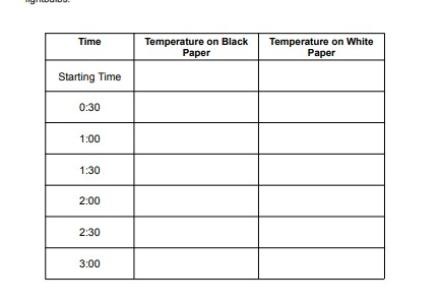
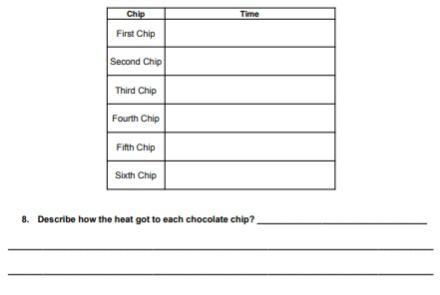
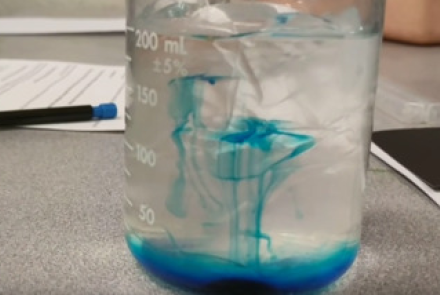
Ignite your students' curiosity about transferring heat energy through conduction, with this engaging worksheet and lab! Designed for young explorers, this resource will take them on an exciting adventure of discovery. Packed with informative content, thought-provoking questions, and a hands-on experiment, this worksheet will make learning about conduction an unforgettable experience!

Contents:

Rock Observation Lab

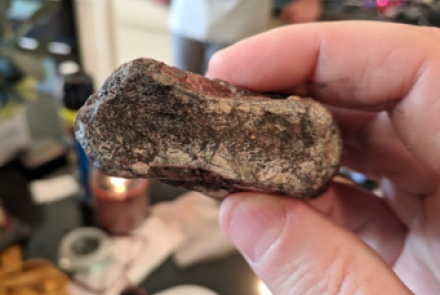
In this 7-12 Earth  Science lab, students will get a chance to hone in on their observation and inference skills. Students will work in groups to observe 4 different rocks. They will make inferences about the environment that the rocks came from as well as take an educated guess as to which rock type the rock belongs, igneous, metamorphic, or sedimentary. Students will write those observations down and then share one of their rocks with the class.

Science Experiment Demonstrating the Scientific Method

At the beginning of science courses, usually, the scientific method is taught. My high school students have to demonstrate their knowledge of the scientific processes and especially show an understanding of data collection, variables, and conclusions. This document contains the rubric I use to grade their assignment as well as the student instructions that I give. This is in a Google doc so that you can edit the instructions or manipulate the rubric.

Finding the Mass of Objects

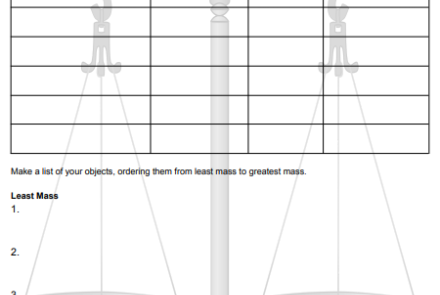
In this worksheet, students will take everyday objects from the classroom and use balance scales to find the mass.  The students will first describe the object and then estimate the mass.  They will then weigh the object and write down that actual mass.  Finally, they will find the difference between the actual mass and the estimated mass.  Once students are finished they will sort the mass from lightest to heaviest.  The main purpose of this assignment is to have students make estimates and then use actual scales to find the mass.

Explore Area and Perimeter with the Phet Simulation and Game

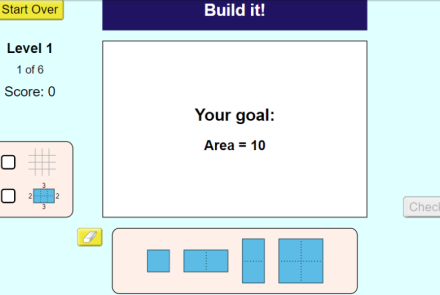
In this activity, students will first begin by exploring the area and perimeter.  Tell your students to make a shape that has a specific area or perimeter and then give them time to explore and create.  As you go, make the math challenges more difficult.  When they have had a chance to explore, have them play the game.  The challenge is to see how many levels they can complete.  Keep in mind that the last level is unique in that students now have to create a shape with a specific area while creating a fraction of the shaded color like the second image below.

Subscribe to Lab