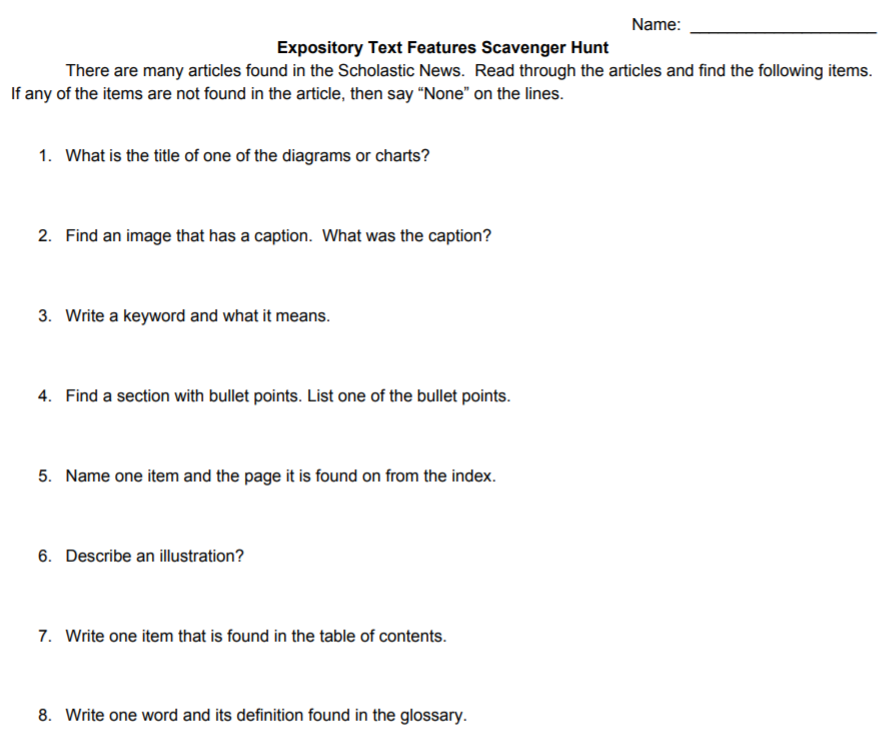
Expository Text Features Scavenger Hunt
Students will locate and learn the purpose of various expository text features, including captions, diagrams, keywords, and glossaries, using any magazine.
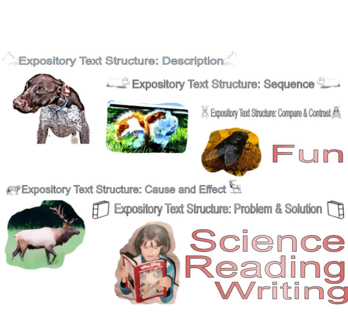
Expository Text Structures or Types
Guide students to identify and analyze various expository structures like description, sequence, and cause/effect. They will read texts, recognize signal words, and write their own structured examples.
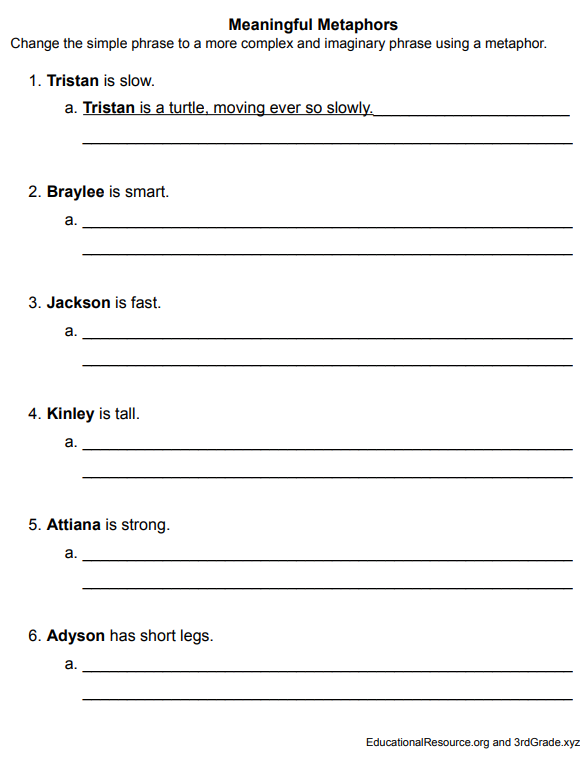
Figurative Language: Simple Similes and Meaningful Metaphors
Students will enhance simple sentences using vibrant similes and creative metaphors. They will make writing more engaging and deeply understand core figurative language concepts.

Final Stable Syllables Ending in "le" Worksheet
Students will practice phonics by listening to words ending in -le. They will then identify and circle the correct spelling, reinforcing their understanding of stable syllables.

Find the Hidden Misspelled Words
Challenge students to locate and correct misspelled vocabulary words within sentences. They will rewrite each sentence correctly, strengthening their spelling and editing skills.

Find the Stinky Patterns Worksheet
Students will identify numbered patterns, exploring input-output tables. They will practice addition, subtraction, and a multiplication pattern, developing critical thinking skills.
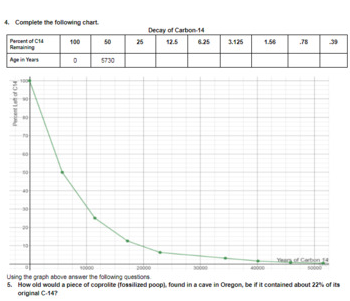
Earth Science Absolute Dating Lab
Students model absolute dating and half-life with candy. Graph Carbon-14 decay, solve problems, and apply probability to date rocks and fossils.
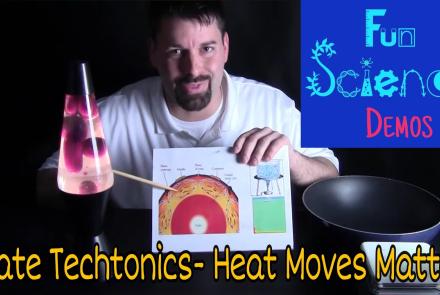
Earth Science Demonstration: Chocolate Plate Tectonics
Students will actively observe Earth's plate tectonics with a simple chocolate demonstration. They'll witness crust break apart, magma rise, and understand earthquakes and igneous rock formation.
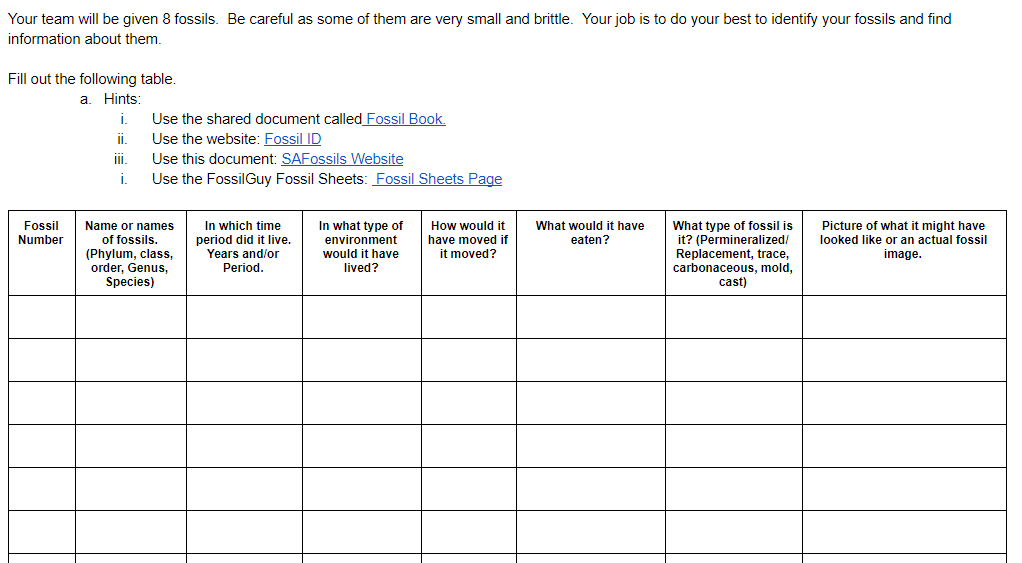
Earth Science Fossil Identification Lab: Google Doc
Students will identify various fossil types using provided links, researching their formation, ancient environments, and geologic time. They will also explore the significance of paleontological study.
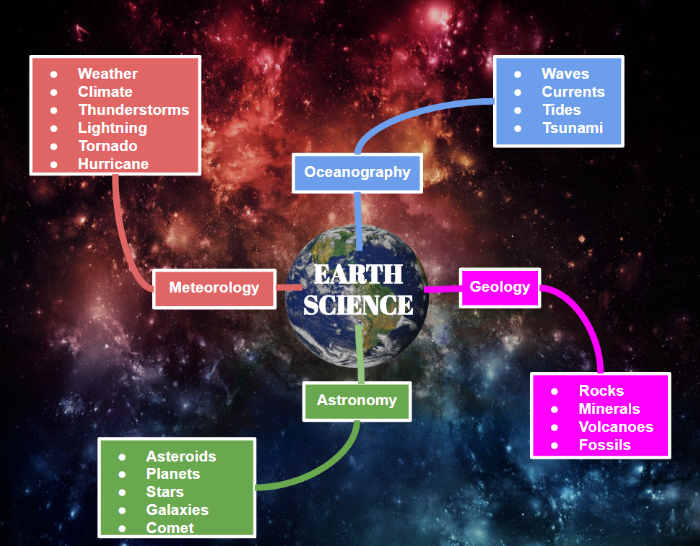
Earth Science Google Drawing Concept Map
Students develop an Earth Science concept map in Google Drawing, connecting terms from geology, astronomy, and meteorology. They'll organize core concepts and use a collaborative tool. Rubric included.
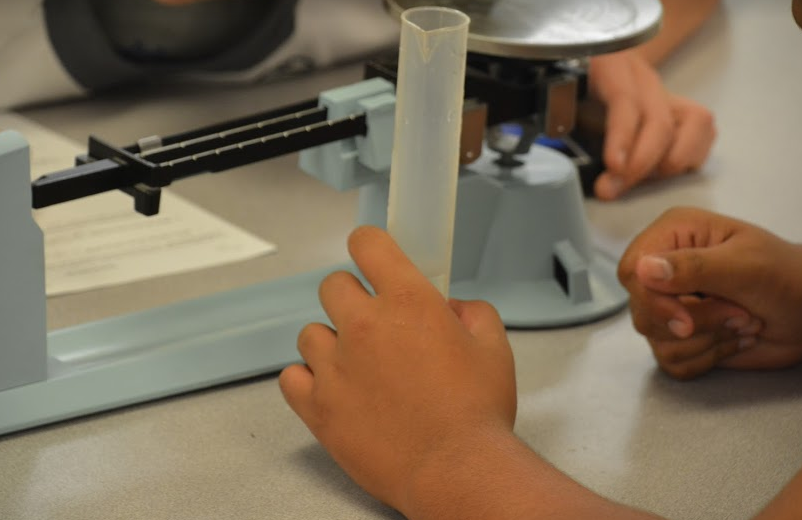
Earth Science Rock and Mineral Density Lab
Students design and conduct an experiment to determine the densities of various rocks and minerals. They will apply scientific inquiry to calculate mass, volume, and density.
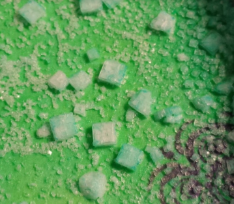
Earth Science Salt Crystal Formation Lab
Students observe crystal formation and explore how impurities change mineral color in this Earth Science lab. Perfect for grades 3-10, it includes student work and sample results.