The Chelyabinsk Meteor Video
The Chelyabinsk Meteor was an awesome event that occurred in Russia. This video explains the ins and outs of this meteorite impact.
This video details the "brown food chain," explaining how rotting detritus such as pond scum and animal poop contribute enormous amounts of energy to our ecosystems.
Discover the truth behind common misconceptions about dinosaurs in this video. Uncover fascinating insights as we delve into the world of creatures often mistaken for dinosaurs, shedding light on their true classification. Gain a deeper understanding of how dinosaurs are scientifically categorized, debunking myths and clarifying misconceptions. Join us on this captivating journey to unravel the secrets of dinosaur classification.
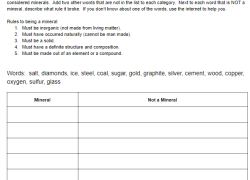
In this 7-12 Earth Science lab, students will get a chance to hone in on their observation and inference skills. Students will work in groups to observe 4 different rocks. They will make inferences about the environment that the rocks came from as well as take an educated guess as to which rock type the rock belongs, igneous, metamorphic, or sedimentary. Students will write those observations down and then share one of their rocks with the class.
At the beginning of science courses, usually, the scientific method is taught. My high school students have to demonstrate their knowledge of the scientific processes and especially show an understanding of data collection, variables, and conclusions. This document contains the rubric I use to grade their assignment as well as the student instructions that I give. This is in a Google doc so that you can edit the instructions or manipulate the rubric.
This is a cute song about soil that can be used as an introduction to soil for younger students.
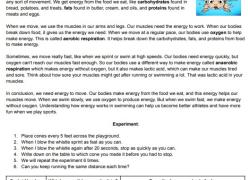
Engage your students with this interactive and informative lab. Designed for elementary students, this lab explores the topic of how our bodies use energy to move. Perfect for science lessons, this resource will help students understand the connection between energy and physical activity. It is written at the 3rd-grade reading level.
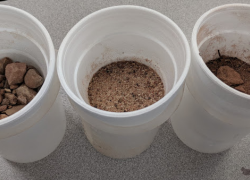
In this lab, students will design and experiment to determine which sediment type is the most permeable and porous. This is very open to a student's design. The teacher should give little to no help with this experiment. I use this lab to assess a group's ability to design and experiment and come up with a statement of conclusion. I am looking for their ability to use time wisely, set up an experiment, gather data, practice safe lab techniques, and use variables correctly. Teacher reflection and procedures are included.
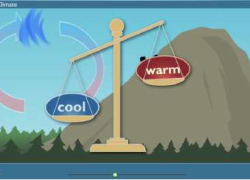
This Study Jam video does a great job demonstrating the differences between weather and climate. It discusses how temperature and air pressure can change due to a change in elevation.
This video can also be used during reading units dealing with compare and contrast.
This "It's OK to be Smart" video discusses the human nose and its awesome ability to sense smells. Please note that this video does talk about human sperm so you need to judge your students' maturity level. Nerves, olfactory receptors, eyes, and ears are also discussed in the video.