Students will learn to identify and compare standard liquid volume units including cups, pints, quarts, and gallons. Use this video to build foundational understanding of capacity measurements.
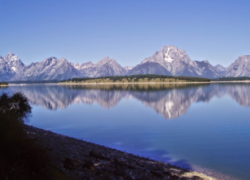
Engage students in a digital exploration of diverse landforms. Students research, document examples, origins, and images of plains, mountains, and plateaus, then share their unique findings.
Engage students with a video exploring why the moon appears larger near the horizon. They will learn about the fascinating optical illusion altering our perception of lunar size.
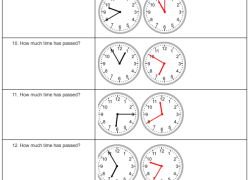
Students will solve various elapsed time problems, including "how much time has passed?" and "what time did it start?". They will gain crucial skills and confidence in time calculations.
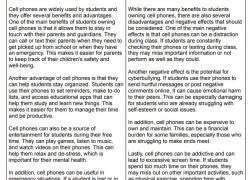
Engage students with two texts on cell phone pros and cons. They will develop critical thinking and articulate their opinions in a clear, persuasive writing response.
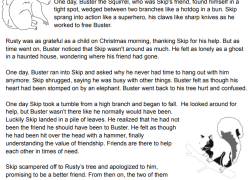
Use Skip's friendship story to teach similes and metaphors. Students will identify figurative language in 10 multiple-choice questions, developing strong language skills and reading comprehension.
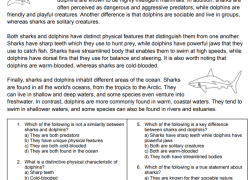
Engage students in comparing sharks and dolphins! They will practice reading comprehension and science skills, then demonstrate understanding with a quiz. Perfect for critical thinking.
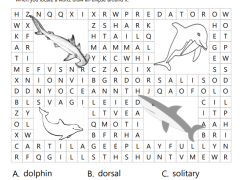
Engage students with a word search exploring sharks and dolphins. They will discover new vocabulary and reinforce fascinating facts about these incredible ocean animals.
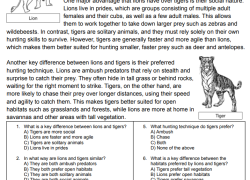
Your students will compare lions and tigers, exploring their unique habitats, hunting methods, and social structures. Engaging questions deepen their understanding of these big cats.
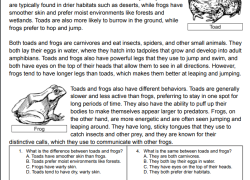
Students explore similarities and differences between toads and frogs. They will read about their unique appearances, habitats, and behaviors, then answer comprehension questions to demonstrate understanding.