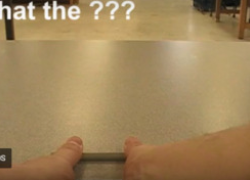
Engage students measuring metric distances by propelling pens across the room. They will discover the Magnus Effect and learn to analyze data using spreadsheets with formulas.
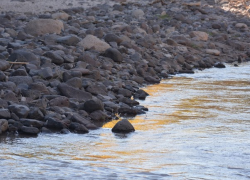
Students explore rock weathering processes by identifying examples and creating a presentation. They analyze mechanisms, agents, and climate connections, then present their findings.
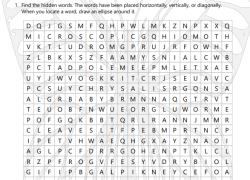
Students will actively search for key vocabulary related to metamorphosis. Reinforce terms describing a caterpillar's transformation into a butterfly, ideal for 3rd graders.
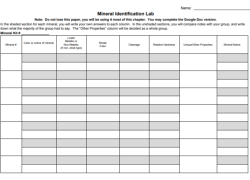
Students practice mineral identification using a dichotomous key. Given characteristics like luster and hardness, they learn to apply the key and master essential vocabulary before their test.
Students will master mineral identification in a 4-day lab. They will test streak, cleavage, luster, hardness, and other properties, then apply a dichotomous key.
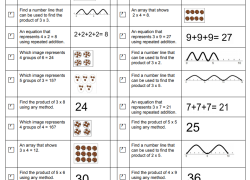
Reinforce 3rd-grade multiplication skills! Students actively review strategies including groups of, repeated addition, number lines, and arrays in a unique, fun Bingo game.
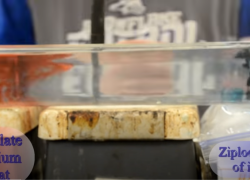
Students model air convection by observing warming and cooling water. They discover how wind forms and explore high and low pressure systems. Connect temperature to atmospheric phenomena.
Students partner up to roll dice, create multiplication and division equations, and complete fact family triangles. They practice essential 3rd grade math skills in a fun, competitive game.
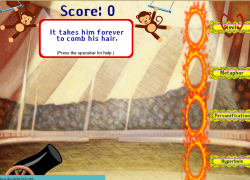
3rd graders identify similes, metaphors, personification, and hyperbole through an engaging, fiery game. Students will categorize sentences to master figurative language skills.
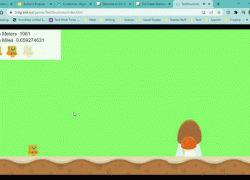
Students navigate an obstacle course, answering text structure questions to continue. They'll practice identifying sequence, cause/effect, problem/solution, and more, aiming for a 10-mile run.
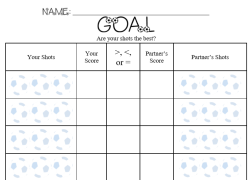
Engage students in an interactive game practicing addition and number comparison skills. They will improve their greater than, less than, and equal to fluency through dice rolls and competitive scoring.
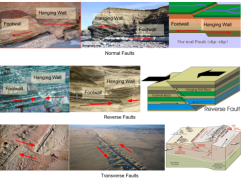
Students will use Google Drawing to create diagrams of earthquake fault types. They will identify real-world examples, apply forces like shear and tension, and label key geological structures.